How Timothée Chalamet in Marty Supreme is clapping back at the toxic men of the internet
After the bleakness of ‘Adolescence’ – finally some good news for boys, says Chloe Combi, who looks at how stars like Timothée Chalamet are embracing a new mood, which is about fun, not rage

The release of Adolescence in March set the tone for 2025 to be an extraordinarily bleak year for gender relations. The global rise of the manosphere and the re-election of Donald Trump created a corrosive atmosphere, exacerbated by major developments such as the loss of abortion rights in the United States and the rise of increasingly divisive figures like self-styled provocateur Nick Fuentes, who has popularised phrases such as “your body, my choice. Forever”.
OnlyFans creators and online personalities Bonnie Blue and Lily Phillips emerged as the handmaidens of the anti-feminist brigade, underscoring the central misogynistic tenet that women are either “good” trad-wife material or “sluts” to be mistreated and discarded. The release of Adolescence propelled conversations about boyhood and toxic masculinity, leaving many parents of teenagers feeling ready to throw in the towel and move to a remote island with no wifi.
But as the year closes, chinks of light are starting to show. There are tentative, hopeful signs that 2026 might be a little better. Not only has Sir Keir Starmer outlined plans to tackle misogynistic behaviour in schools, but interesting men and male role models are stepping up too, shifting the dial away from alpha bros towards something more thoughtful, kind, and, dare we say it, fun.
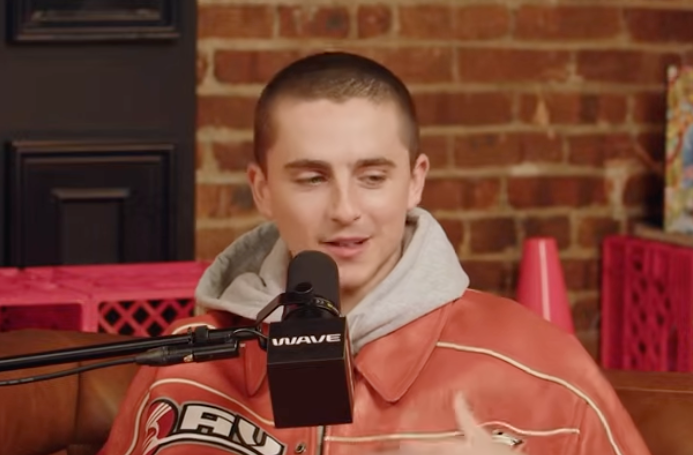
Step forward, Timothée Chalamet, whose new film Marty Supreme – directed by Josh Safdie – is pulling boys off their phones and into the real world in the most extraordinary way. Chalamet has always subverted traditional alpha-male expectations with his slight frame, his habit of being photographed reading in public, and his willingness to take on stereotype-challenging roles. Together, he and Safdie have produced a film that is rapidly becoming a cultural phenomenon.
At first glance, an underdog story about a plucky young immigrant Jewish table-tennis player in the 1950s doesn’t sound like something that would have Gen Z or Gen A flocking to cinemas. It isn’t even out yet, but it has already become a sensation and is being tipped for an Oscar.
Merch is flying off the shelves. The Marty Supreme jacket has triggered an unprecedented 45 per cent surge in similar vintage-inspired athletic wear, and analysts report searches for “retro sports jackets” have risen by 340 per cent. Chalamet has transformed table tennis into a cult marketing moment, with viral campaigns sparking memes and pop-up events that draw on the “because it’s funny” playbook Gen Z and A have made their own.

_n_S1_E1_00_13_01_10.jpeg?quality=75&width=230&crop=3%3A2%2Csmart&auto=webp)
_n_S1_E1_01_01_42_12.jpeg?quality=75&width=230&crop=3%3A2%2Csmart&auto=webp)
George Deanus, 14, describes how the Marty-inspired table-tennis craze has strengthened his friendships. “I actually met most of my friends through table tennis, we can play it seriously or just casually, just to have a laugh.”
And Chalamet is as charming as he is funny, as he proved when he named Susan Boyle as one of his all-time greatest Brits. Why? “She dreamt bigger than any of us,” he said sweetly, referencing Boyle’s rendition of Les Misérables song “I Dreamed a Dream”, which stunned judges Simon Cowell, Amanda Holden and Piers Morgan.
This shift to a more playful atmosphere will no doubt please Scott Galloway – the author of Notes on Being a Man, NYU professor and successful entrepreneur – who has recently issued an impassioned plea to rethink the plight of boys. He argues that young men are inherently social creatures motivated by success, money and sexual attraction, all instincts he believes have been unfairly demonised.
The isolating forces of life lived on screens, combined with risk-averse helicopter parenting and modern schooling, have been catastrophic for boys’ wellbeing. In Notes on Being a Man, he makes a powerful case for encouraging boys to venture into the real world, take risks, have fun, protect others – especially the less powerful – and be proud of who they really are.
He writes: “There’s no such thing as toxic masculinity – that’s the emperor of all oxymorons. There’s cruelty, criminality, bullying, predation and abuse of power. If you’re guilty of any of these things, or conflate being male with coarseness and savagery, you’re not masculine; you’re anti-masculine.”

This reframing of masculinity is gaining traction elsewhere, too. There is Jordan Stephens, best known as one half of the chart-topping duo Rizzle Kicks, who is bringing a buoyant new energy to conversations about identity, grounded in his own lived experience. Model David Gandy has criticised the “immaturity” of Andrew Tate’s worldview, while acknowledging that boys’ attraction to the manosphere stems from being made to feel like “the problem in society”.
Gandy has been promoting the Lost Boys campaign, which encourages men to become positive male role models. Other leading figures in sport have stepped forward too – from Freddie Flintoff to Sir Gareth Southgate, both urging boys to put down gaming devices and join teams. Gary Lineker has also shown a willingness to stand up for groups often demonised, echoing Galloway’s conception of masculinity. Whether through football, cricket or even table tennis, the message is clear: there are positive spaces where boys can unchain themselves from the toxic tethers of the online world.
This matters, especially when you consider that the average boy in the UK now spends more time gaming than he does at school – a pattern with a deleterious impact on wellbeing, health and self-esteem. No single film, book or voice will fix everything, but if there is one resolution for 2026, it should be restoration.

The idea that everything is zero-sum – that for one “side” to win, the other must lose – is a grim and destructive philosophy that has made 2025 far worse than it needed to be. Algorithms and those profiting from division have convinced millions that we are each other’s enemies – it is no coincidence this year’s word (or phrase) of the year is rage bait. Instead of socialising, dating, having fun, enjoying consensual intimacy and forming healthy relationships, people across all ages have been staying home, staring at their phones, growing angrier and more isolated.
But as we close the year, a shift is underway. More young people are deleting their social-media accounts and embracing digital minimalism. As posting online becomes uncool, new social currency comes from the IRL clubs you belong to. Joining a team, making friends, laughing together, going out to see an uplifting film or reading an inspiring book have a new cachet.
And with anti-heroes like Timothee Chalamet capturing a generation’s imagination in playful new ways, a more joyful 2026 beckons for everyone.
‘Marty Supreme’ is out in cinemas on 25 December
Join our commenting forum
Join thought-provoking conversations, follow other Independent readers and see their replies
Comments
Bookmark popover
Removed from bookmarks